


Chinese Tech Firm Huawei Seeks to Accelerate Green Energy Transition
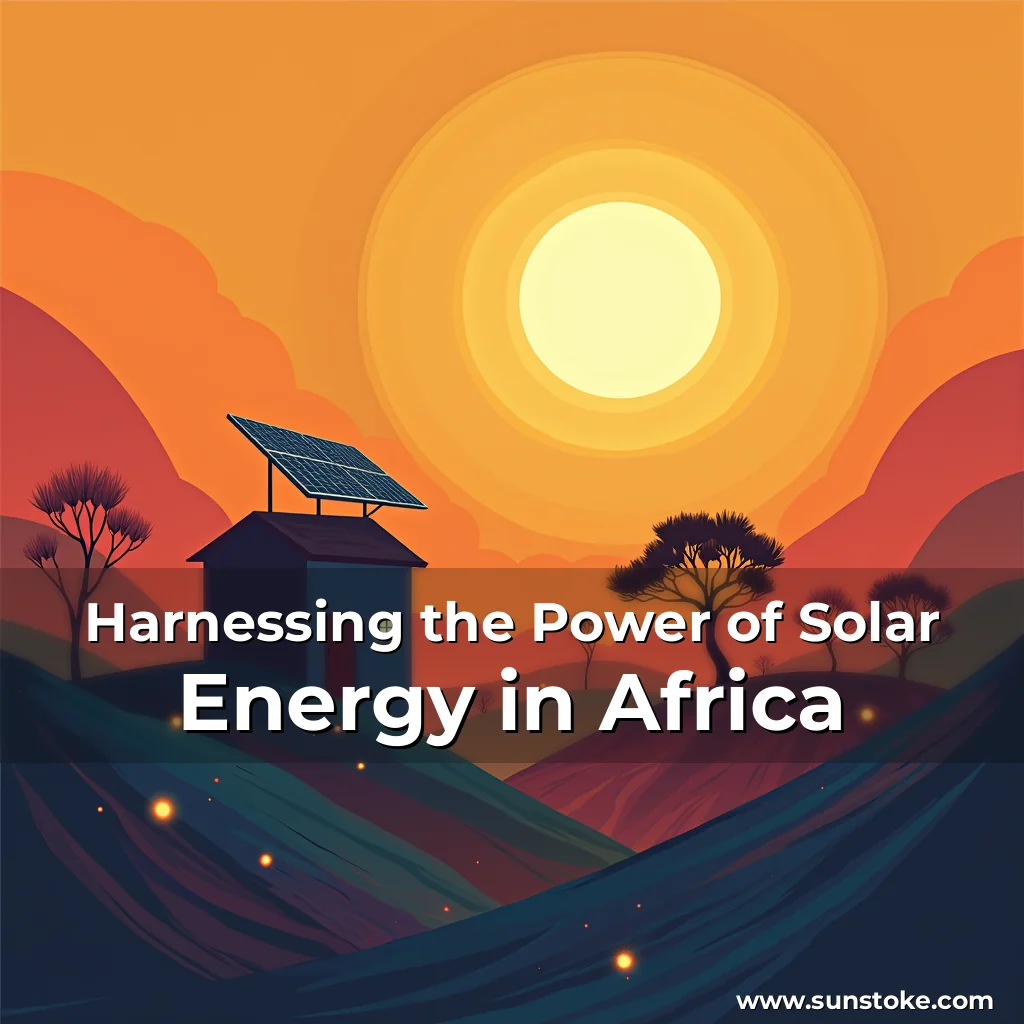
The continent of Africa is known for its vast sun-kissed landscapes and high solar irradiance, making it an ideal location for harnessing the power of solar energy. However, the region has been struggling with energy poverty, inadequate infrastructure, and a reliance on fossil fuels. To address these challenges, Chinese telecoms firm Huawei is leveraging its smart photovoltaic solutions to help accelerate Africa’s green energy transition. According to Huawei’s Chief Executive Officer, Du Peng, a green future for the continent is achievable if industry and governments work together to promote the adoption of clean energy solutions, including solar. “The solar photovoltaic solutions we are installing in homes, businesses and factories are part of the efforts to light up Africa, enhance grid stability and promote sustainability,” Du said during the launch of the Huawei Eastern Africa FusionSolar Commercial and Industrial Innovative Product.
Smart Solar Batteries for a Resilient Future
Huawei’s FusionSolar smart PV solution is designed to provide both software and hardware for the deployment of new solar technologies across African markets. The company is forging long-term partnerships with businesses to address energy poverty in Africa and foster inclusive growth. For instance, Huawei’s 215-kilowatt-hour battery storage system is both liquid- and air-cooled, optimizes energy efficiency, requires minimal maintenance, and can be installed quickly.
Key Features of Huawei’s FusionSolar Solution
- 215-kilowatt-hour battery storage system
- Both liquid- and air-cooled
- Optimizes energy efficiency
- Requires minimal maintenance
- Can be installed quickly
This smart solar battery offers end-to-end safety guarantees and can be used to charge electric vehicles – an important component in achieving net-zero targets in Africa.
Accelerating the Green Energy Transition
Huawei’s FusionSolar solution will help countries in the East African region reduce power outages, lower energy costs, and move closer to carbon neutrality. According to Nick Lusson, senior director of Huawei Digital Power Eastern Africa, the smart solar battery can be used to charge electric vehicles, which is a critical component in achieving net-zero targets in Africa.
Benefits of Huawei’s FusionSolar Solution
- Reduces power outages and lowers energy costs
- Moves countries closer to carbon neutrality
- Enables the use of electric vehicles
In addition to its technical benefits, Huawei’s FusionSolar solution has the potential to create new economic opportunities for local businesses and communities.
Creating a Sustainable Future
The deployment of new solar technologies across African markets will be pivotal to realizing a green and resilient future on the continent. According to Du Peng, the solar photovoltaic solutions installed by Huawei are part of the efforts to light up Africa, enhance grid stability and promote sustainability.
Challenges and Opportunities
- Challenges:
In conclusion, Huawei’s smart photovoltaic solutions have the potential to accelerate Africa’s green energy transition and create a sustainable future for the continent.
Huawei’s Commitment to a Sustainable Future
Achieving Net-Zero Targets
According to Du Peng, a green future for Africa is achievable if industry and governments work together to promote the adoption of clean energy solutions. Huawei’s commitment to a sustainable future is reflected in its efforts to address energy poverty in Africa and foster inclusive growth.
Example: Rwanda’s Renewable Energy Development
For instance, Rwanda has set ambitious targets to become a 100% renewable energy-powered country by 2025. The country’s renewable energy sector has seen significant growth in recent years, driven in part by the deployment of new solar technologies.
Renewable Energy in Rwanda
| Year | Renewable Energy Capacity (MW) | Renewable Energy Mix (%) |
| 2015 | 150 | 12% |
| 2020 | 300 | 35% |
Rwanda’s renewable energy development is a promising example of the potential for Africa to transition to a cleaner, more sustainable energy mix.
Conclusion
In conclusion, Huawei’s smart photovoltaic solutions have the potential to accelerate Africa’s green energy transition and create a sustainable future for the continent. By addressing energy poverty and promoting the adoption of clean energy solutions, Huawei is contributing to a cleaner, more sustainable energy mix that benefits both people and the planet.


news is a contributor at SunStoke.com. We are committed to providing well-researched, accurate, and valuable content to our readers.
You May Also Like

Powering Tomorrow: A Deep Dive Into Solar Battery Technology for Homeowners and Enthusiasts
Powering Tomorrow: A Deep Dive Into Solar Battery Technology for Homeowners and Enthusiasts Solar batteries represent a transformative leap in...

Nuclear Power: A Second Look at Colorado’s Options
The recent push to replace coal-fired power plants in Colorado with nuclear reactors has sparked a heated debate about the...

The Stellar Society: A Future of Abundance and Transformation
Stellar Society Key Predictions of the Stellar Society Energy Abundance: Solar, wind, and battery technologies will provide cheap, nearly free...
Globeleq Acquires 51% Stake in Zambia's Lunsemfwa Hydro Power Company
The acquisition is significant because it signifies Globeleq's entry into the Zambian energy market. Globeleq has signed a share purchase...